Can’t get an appointment at your GP surgery? Your neighbourhood pharmacist now offers a surprising, and increasing, number of services.
Back in the day, the local chemist – as we called them then – was a white-coated figure, mostly glimpsed beavering away at the back of the shop. Their work was largely weighing, mixing, pouring, and sticking labels on prescriptions – known in the trade as “lick, stick and pour” – with the occasional spot of advice offered over the counter. Today, community pharmacists are at the heart of local healthcare, delivering a growing range of NHS and other services.
“Ask someone in the street what a pharmacist does, and they’d probably say dispense prescriptions,” says community pharmacist Olivier Picard, chair of the National Pharmacy Association. “In fact, we’re highly qualified experts in how medicines work and what they do in the body.”
10 services your pharmacist can provide
The Government’s 10 Year Plan aims to push care out of hospitals and into the community. And, with eight in ten of us living within a 20-minute walk of a pharmacy (even with a raft of closures in the past couple of years), your local pharmacist can often be the fastest port of call.
1. Treating minor niggles
Almost all pharmacies (98%) are now signed up to the Pharmacy First initiative, which allows them to dispense prescription-only meds for seven minor ailments that used to involve a trip to the GP. “It’s been a game changer that means patients can access care more easily,” observes Manchester pharmacist Thorrun Govind, former chair of the English Pharmacy Board and the Royal Pharmaceutical Society.
In England, the ailments covered are sore throats, shingles, infected insect bites, sinusitis, earache (in children aged 1-17), uncomplicated urinary tract infections (in women from 16 to 64) and impetigo. The services offered varies in the other nations - see below for details.
Almost nine out of ten people who’ve used the service (86%) report being happy with it.
2. Helping you navigate new meds
As we get older, the list of long-term conditions – and the meds for them – often soars.
“We can advise on when to take medications – especially if you have multiple prescriptions – what to do if you’re struggling, how to manage side effects, and how to check that medicines you’ve been prescribed years ago are still appropriate,” says Govind.
The NHS New Medicine Service is available for 18 conditions, including heart and circulatory problems, respiratory conditions such as asthma and COPD, diabetes, and neurological conditions including Parkinson’s and epilepsy. In 2026, antidepressants have been added to that list.
“People who are prescribed antidepressants may feel worse before they feel better,” says Govind. The service usually involves three chats with the pharmacist, in a private consulting room or over the phone, during the first few weeks of starting a new medicine.
3. Working out if supplements clash with your meds
Because of their extensive training in how exactly medicines work in the body, pharmacists can spot problems caused, and identify duplicate treatments and/or potentially harmful interactions, including with vitamins, minerals, and other dietary supplements and herbal remedies.
They are mines of information on side effects, too.
“Around 50% of patients don’t take medicine properly, and about 30% stop within the first week, often because they’re worried about side effects, which often settle after a while,” says Picard. “If patients know what to expect, they’re more likely to keep going.”
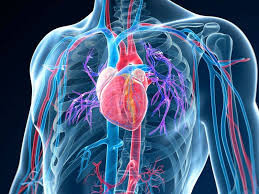
4. Picking up heart problems
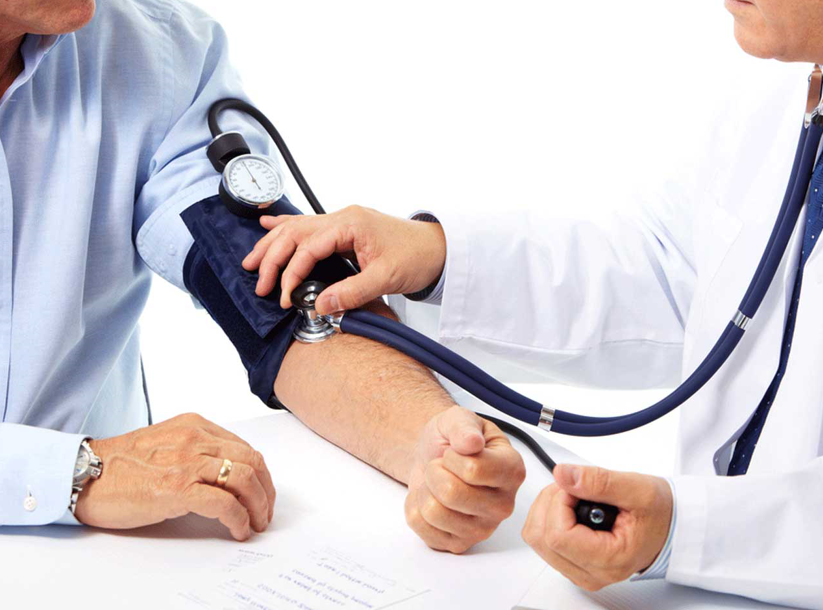
Haven’t had your blood pressure checked in the past six months? Your local pharmacy is a good place to start. “In my pharmacy, we take blood pressure almost daily,” says Picard. The NHS Community Pharmacy Blood Pressure Check Service offers free checks for people aged 40 and over who haven’t been diagnosed with high blood pressure, with GP referral if needed.
Yet awareness remains low: an NHS England survey found that almost half of over-40s (44%) didn’t realise pharmacies offer this service, with checking blood pressure ranking below getting the car an MOT or servicing the boiler.
- Normal BP? Your pharmacist can advise you how to keep it that way.
- High BP? They can issue you with a wearable device that monitors your BP for 24-48 hours. “Called Ambulatory Blood Pressure Monitoring (ABPM), it gives a more accurate picture than a single clinic reading, and can help avoid so-called white-coat syndrome, where anxiety temporarily raises blood pressure in the presence of a medical professional,” explains Govind.
- Very high BP? The pharmacist can urgently refer you to see your GP within 24 hours, and will let your practice know by NHS mail or other platform.
Ambulatory devices can also flag up atrial fibrillation (AF), an abnormal heart rhythm that’s notoriously hard to detect. It’s where the heart’s upper chambers (atria) beat irregularly and fast, causing palpitations, fatigue, dizziness and shortness of breath, which significantly increases the risk of stroke and heart attack.
5. Supporting you if you’ve just come out of hospital
It can be confusing if you’ve been discharged from hospital with a whole set of new or different meds. The pharmacist can explain what’s changed, help you take your meds safely, spot problems early and answer any questions you have, therefore reducing your risk of side effects, missed doses and ending up back in hospital.
The service – called the Discharge Medicines Service – is free on the NHS, and you don’t need an appointment.
6. Keeping tabs on your jabs
For the first time this year, you can book your free flu (and, if eligible, Covid-19) jab at pharmacy via the NHS App or website. It’s free if you’re 65-plus, have a long-term health condition (such as diabetes, asthma or heart disease) or live in a care home. “Most GP surgeries no longer offer Covid vaccines, so pharmacies are picking up the slack,” says Picard.
You can also pay privately for many other vaccines, such as shingles, pneumococcal and the RSV (respiratory syncytial virus) vaccine. RSV is already available for adults turning 75 or as a catch-up for those aged 75-79, and from 1 April 2026 it will include those aged 80 and over, and people living in care homes.
Many pharmacies also offer travel vaccines, although you’ll have to pay, unlike at the doctor. The advantage is that you can often get them fast. Many GP surgeries ask that you tell them six to eight weeks before you travel.
7. Helping you manage your weight
Pharmacists can weigh and measure you, and offer guidance on diet, exercise, stress, alcohol and sleep, all of which have an impact on weight. If you are obese and have diabetes, high BP or both, they can refer you to the free 12-week NHS Digital Weight Management Programme, which you can access via your mobile or computer.
8. Delivering medicines – and disposing of old ones
Practical services such as easy-to-open medicine containers, blister packs and larger-print labels can make a real difference for stiff fingers or failing eyesight. Availability of these services can vary. Pharmacists can also arrange medicine deliveries (there’s often a cost, as they receive no funding for this) and advise on – and often stock – mobility aids like walking sticks.
Many of us have one of those cupboards stuffed with old prescription meds, half-used OTC packets and forgotten supplements. It’s wise to check every six months, especially if you take multiple prescriptions, and watch expiry dates on everyday items like paracetamol.
Return unwanted medicines in their original packaging, and tell staff if you’re returning strong or controlled medicines, such as commonly prescribed tramadol for pain, gabapentin for nerve pain, or zopiclone for sleep, as these need extra care for safe disposal.
9. Recognising when things are more urgent
Pharmacists often see patients more than other healthcare professionals, so are well placed to catch issues early.
“I’ve had patients struggling with blood pressure despite being on medication,” says Govind. We checked them, referred them to the GP, and they had a new prescription the same day.”
They can also spot when things are serious. Picard recalls seeing a customer who came in feeling unwell after sustaining a scratch from a branch while lopping trees and shrubs in the garden. He referred him straight to hospital, where he was treated for sepsis.
10. Helping you quit smoking, and more
Many pharmacists also offer “stop smoking” services to help smokers recently discharged from hospital who quit smoking on the ward, as well as to help with conditions such as asthma or COPD. Some offer cholesterol and blood glucose testing, although again privately.
The bottom line? The pharmacist is no longer a lone figure at the back of a shop. “We’re here to make sure that people get the right care, at the right time, in the right place,” says Govind
SAGA Magazine. Article By Patsy Westcott | Published - 5 Feb 2026
Your neighbourhood pharmacist/chemist now offers a suprising, and increasing number of services.