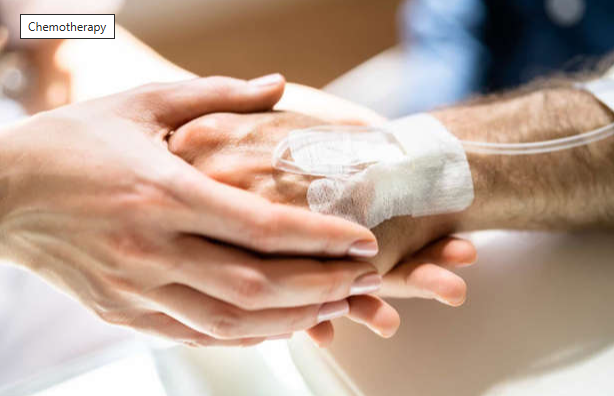
What exactly is cancer preventative chemotherapy? Chemotherapy is a drug treatment that uses powerful chemicals to kill fast-growing cancer cells in your body.
Often, the illness takes a toll on one’s physical and mental health, so it’s normal to feel fear, sadness, anxiety, and depression after learning that you have cancer. Fortunately, there is a range of treatments available these days that can help fight against the disease. Chemotherapy is one such course of treatment. But what exactly is chemo, and how does it work?
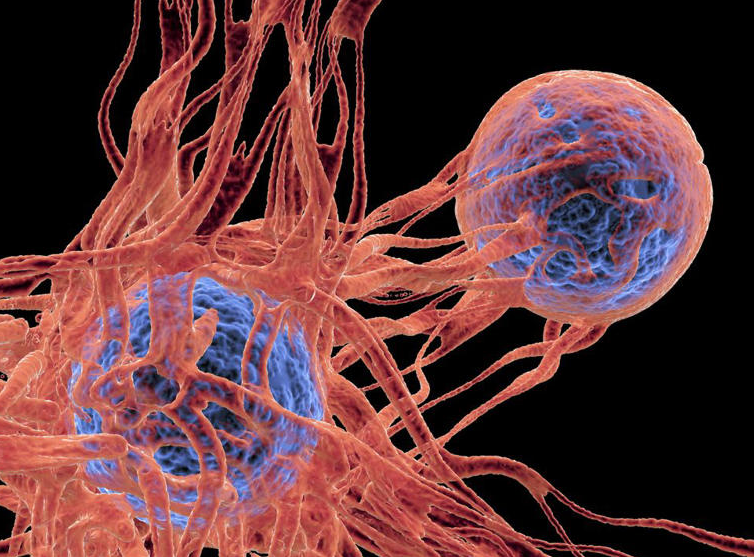
What exactly happens in chemo? Chemotherapy targets cells that grow and divide quickly, as cancer cells do. Some chemo drugs damage cells at the point of splitting. Some damage the cells while they're making copies of all their genes before they split.
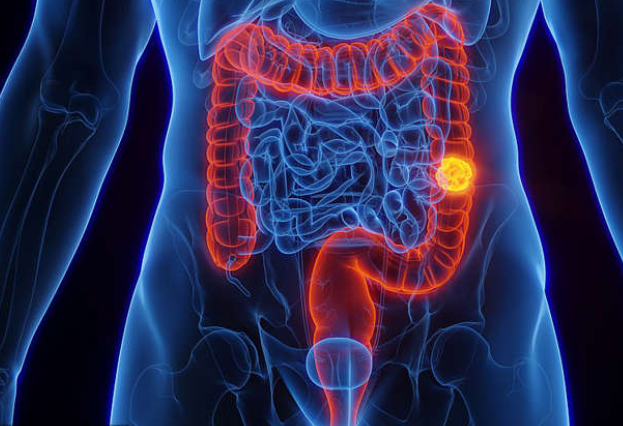
What does chemo do to the body? While chemotherapy drugs are powerful enough to kill rapidly growing cancer cells, they can also harm healthy cells. Treatment can affect any body system, but may especially impact the digestive tract, bone marrow, reproductive system, mouth, and hair follicles.
Is chemo painful? Chemotherapy may cause some discomfort, but it isn't typically painful.
Is chemo only for cancer? While chemotherapy can be used as a treatment for many different cancers, this class of drugs can also be used to tackle blood disorders and numerous autoimmune diseases.
How are chemo drugs administered? Chemotherapy can be administered in many different forms: intravenously, topically, injected, or received orally
How long is a course of chemo? According to Cancer Research UK, a course of chemotherapy usually lasts between three to six months, although it can be more or less than that.
Does all your hair fall out with chemo? Approximately 65% of individuals undergoing chemotherapy will experience chemotherapy-induced hair loss, according to Pharmacy Times. And chemo may cause hair loss all over your body, not just on your scalp. Sometimes your eyelash, eyebrow, armpit, pubic, and other body hair also falls out.
How long after chemo do you start losing your hair? Hair usually begins falling out two to four weeks after you start treatment. It could fall out very quickly in clumps, or gradually.
Does hair grow back a different colour after chemo? Hair usually starts to regrow within four to six weeks after finishing treatment, but it may be different in texture and colour than before, warns Medical News Today.
Should I cut my hair before chemo? This is entirely up to you. Some people find that it helps them get used to having less hair and makes shedding easier to manage. Also, if you choose to wear a wig, it will fit better over shorter hair.
What organs does chemo damage? Chemotherapy's effects on organs and body systems depends on several factors. Each person's individual medical profile and diagnosis is different, ergo their reaction to treatment. Some anticancer medicines may affect cells of vital organs, such as the heart, kidney, bladder, lungs, and nervous system, notes the American Cancer Society. But many people experience no serious long-term problems at all.
What are the worst days after chemo? The worst days after chemo treatment may be immediately afterwards or within 48 hours, claims Healthline unless you are given a three or four day course of Steroids which delays them. After chemo, you may experience nausea, fatigue, or loss of appetite.
What are the rules of chemo? The rule of chemotherapy involves: treatment day followed by rest days often seen as a seven day cycle. . Adhering to these regulations also ensures that there is enough chemo in the body to fight cancer. Rest days, meanwhile, allow the patient to recover from chemo's harsh effects. If required daily chemo treatment generally falls within the aforementioned seven-day rule.
What is the most distressing side effect of chemo? Nausea and vomiting are often cited as the most unpleasant side effects for patients embarking on cancer chemotherapy. And side effects may become more intense with each treatment cycle.
How long after starting chemo do you get sick? Not everyone feels sick during or after chemotherapy. However, feelings of nausea start from a few minutes to several hours after having the drug.
Is chemo worse the first time? Cancer treatment is given in cycles. Many people feel confused, overwhelmed, and scared during their first round of chemo.
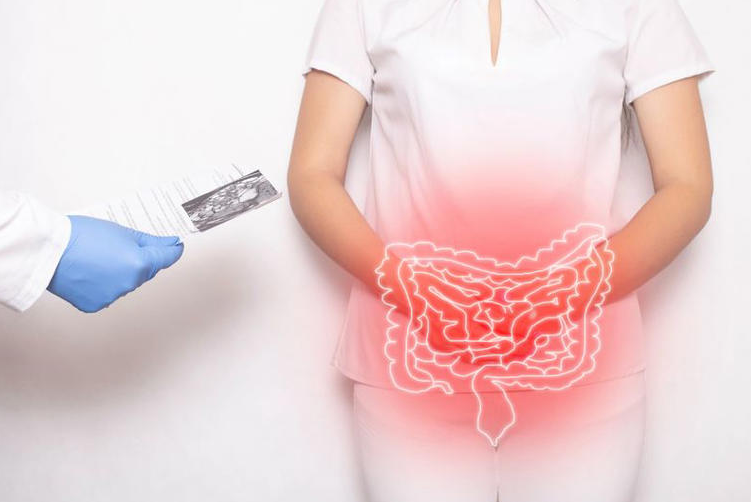
Does chemo bloating go away? The bloating associated with chemotherapy is often referred to as "chemo belly," a distention of the abdomen due to issues with the gastrointestinal (GI) tract. Often, chemo belly will go away on its own when treatments conclude. However, it is possible for a person to experience continued GI symptoms for several years, notes the National Centre for Biotechnology Information (NIH).
How many times a week do you have chemo? Chemo cycles are most often two or three weeks long. However, the number of treatment doses scheduled within each cycle also depends on the prescribed chemotherapy.
What should you not do during chemo? There are several things you should never do while undergoing chemotherapy. Not exposing yourself to infections, avoiding eating undercooked or raw food, not drinking alcohol, not smoking, and avoiding exposing yourself to ultraviolet light are things to refrain from while on chemo.
Does chemo age your face? Research published online by the Journal of the National Cancer Institute examining whether women treated for breast cancer aged faster concluded that chemotherapy, hormonal therapy, and radiation therapy all contributed to faster biological aging.
Does chemo age your body? Furthermore, the Journal of Clinical Investigation (JCI) reported that "improvements in cancer treatment have increased the lifespan of paediatric and adult cancer survivors. However, cancer treatments accelerate aging in survivors, which manifests clinically as the premature onset of chronic diseases, such as endocrinopathies, osteoporosis, cardiac dysfunction, subsequent cancers, and geriatric syndromes of frailty, among others."
Does chemo make you lose weight? Yes and no. It all depends on the chemo medicines. Some chemo drugs are likely to cause swelling in the body, leading to weight gain. Conversely, some chemo medications may lead to weight loss due to decreased appetite and taste changes, notes Verywell Health.
Why do you have to flush the toilet twice after chemo? Small amounts of unchanged chemotherapy are present in your body fluids and body waste. For 48 hours after receiving chemo, patients and caregivers are advised to flush the toilet twice. If possible, patients should use a separate toilet from others in the home. And always wash hands with soap and water after using the toilet.
Who cannot take chemotherapy? Chemotherapy is not recommended when the potential risks outweigh the benefits. For example, whether you have chemo as part of your treatment depends on what type of cancer you have, how big it is, and whether it has spread or not. Age and general health of the patient are also factors to consider; older, less fit adults are more likely to have serious side effects from chemotherapy.
Can you live a normal life during chemo? Chemo might affect your social life, as you may have less energy. And as already stated, things like alcohol and certain foods need to be avoided. But waves of nausea aside, it is possible to lead a fairly normal life while on chemo.
What is the hardest part of chemo? Studies suggest that it's not so much the physical side effects that concern chemo patients, rather the stress and depression undergoing treatment can cause. Feeling like their illness is a weight on their loved ones and the burden carried is often cited as the hardest part of chemo.
What are signs chemo is working? Less pain, reduced lymph node swelling, and improved energy levels are among the indicators that chemo is working. Besides these outwards signs, there are various tests doctors can run that indicate chemotherapy is doing its job.
Chemo outlook. The effectiveness of chemotherapy treatment varies depending on the type of cancer and how advanced it is. But with some types of cancer, most people are cured by chemotherapy.
Sources: (Cancer Research UK) (Healthline) (Pharmacy Times) (Medical News Today) (American Cancer Society) (NIH) (Journal of the National Cancer Institute) (JCI) (Verywell Health)
Story by Stars Insider
Chemotherapy targets cells that grow and divide quickly, as cancer cells do.